Athletic Performance
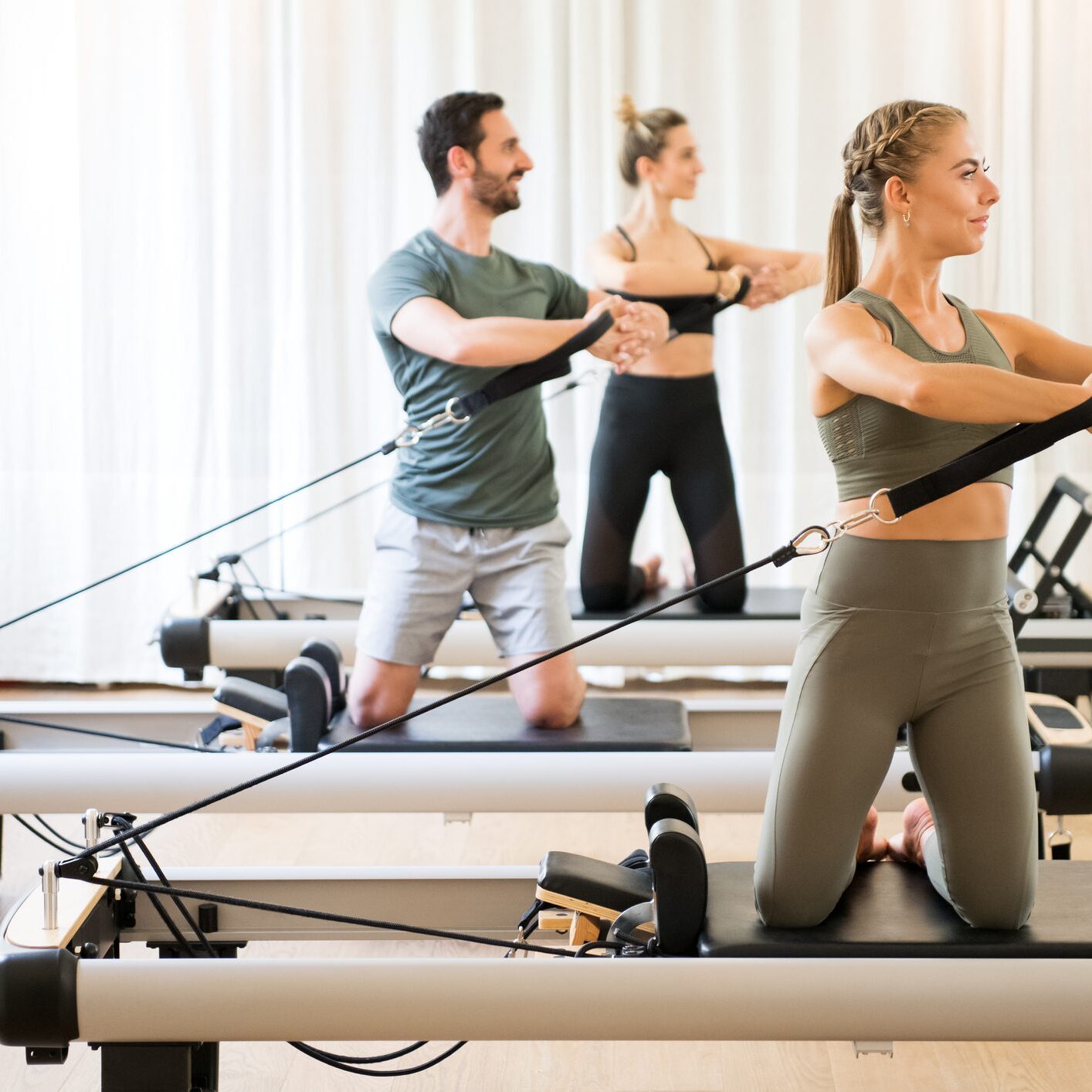
Athletic performance is enhanced because Pilates helps train alignment of the skeleton which creates more efficient movement. Less energy is spent trying to organize the skeleton and therefore energy can be redirected to other efforts and endurance improves. Run faster and train harder for longer periods of time with less fatigue. Improved alignment also corrects faulty movement patterns that can contribute to injury. Mobility is important in sports performance because movement should only utilize those parts of the body necessary to accomplish the task. If an individual is unnecessarily rigid, then that person may move parts of their body that are not necessarily designed to participate in that type movement. This can lead to chronic pain and inhibit skill refinement. Pilates trains deep stabilizing muscles in and around the spine and the joints. Improved joint control helps mitigate injuries that occur at the end of range of motion. This is especially helpful in sports as repeated movement patterns dominate and can over time stress the joints, ligaments and tendons. Think of golf, tennis, swimming, baseball, football, soccer, dance, cycling, etc.
Rehabilitation and Recovery from Injury
The Pilates method trains improved alignment as it emphasizes a neutral spine, pelvis, and scapulae, reducing strain on joints caused by compensatory habits or poor posture. By stacking joints (shoulders over hips, knees over ankles), stress is removed from injured areas.
Pilates exercises improve mobility and stability which increase flexibility, reducing stiffness in joints like the hips, shoulders, and spine. By engaging core muscles before moving limbs, Pilates protects joints and stabilizes them during rehabilitation, which is crucial for conditions like osteoarthritis or after surgeries. The emphasis on control - slow, deliberate movements and breath, rather than intensity, allows for safe strengthening of the muscles that support joints. This control prevents re-injury, a major risk during recovery.
Pilates helps with integration of movement as it reconnects the body, training muscles to move in harmony rather than in isolation. This improves neuromuscular control, correcting imbalance and ensuring functional, efficient movement patterns that prevent future injuries.
Osteoporosis / Osteopenia
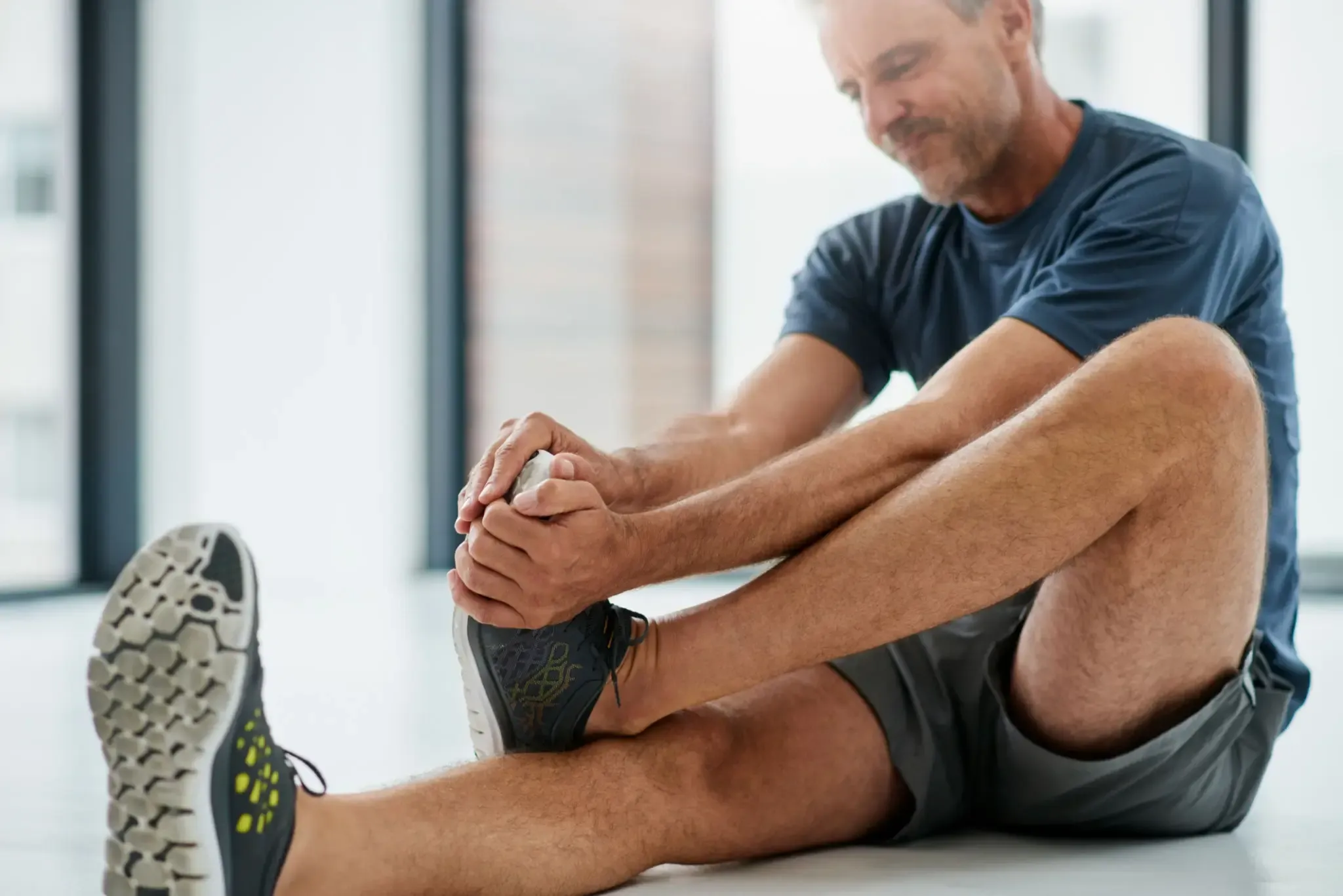
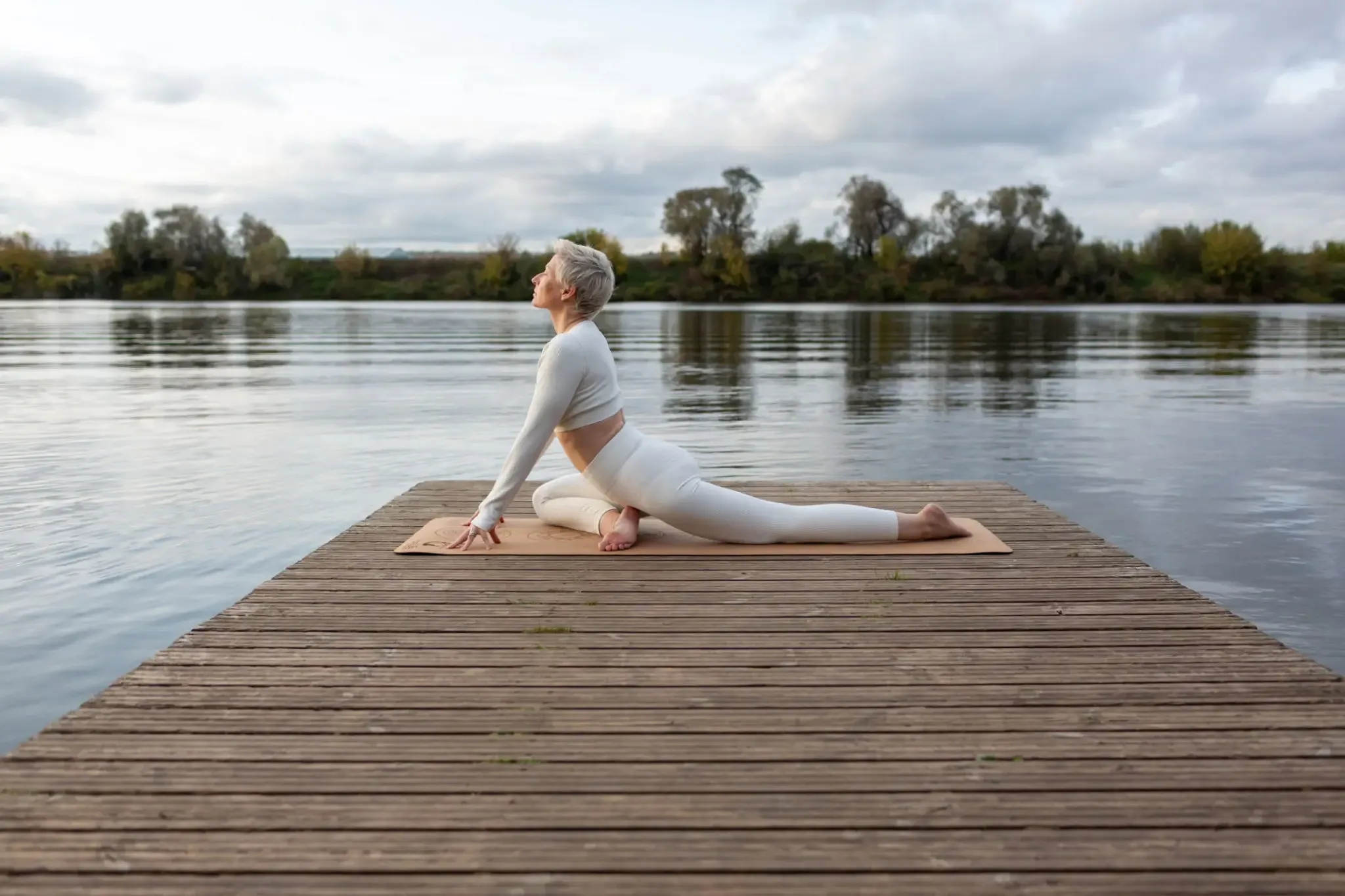
Combating degenerative bone loss requires a multifaceted approach. The concern about the loss of bone density is the increased risk of fracture due to a fall. Pilates combats this by providing an environment and exercises that build strength, improve balance, support bone density, improve mobility and increase body awareness in space (proprioception) – all helpful for fall prevention and any resultant injury.
Pilates provides many opportunities for weight bearing exercises known to stimulate bone building cells and for building stronger muscles to protect weakened bones. Improved core strength better supports the spine and thus improves balance to decrease the risk of a fall. Pilates exercises train the mind to understand how the skeleton and the limbs relate to one another and the environment both in static and fluid movement. This improves coordination. Better coordination results in fewer falls.
By focusing on precision rather than quantity of repetitions, Pilates ensures muscles, rather than ligaments, support the joints. This prevents injury and builds strong, dense bones to mitigate osteoporosis risks. With a focus on spinal extension, Pilates helps mitigate the forward leaning posture that is a natural function of aging and can be particularly prominent for individuals with osteoporosis.
Prenatal / Postnatal Wellness
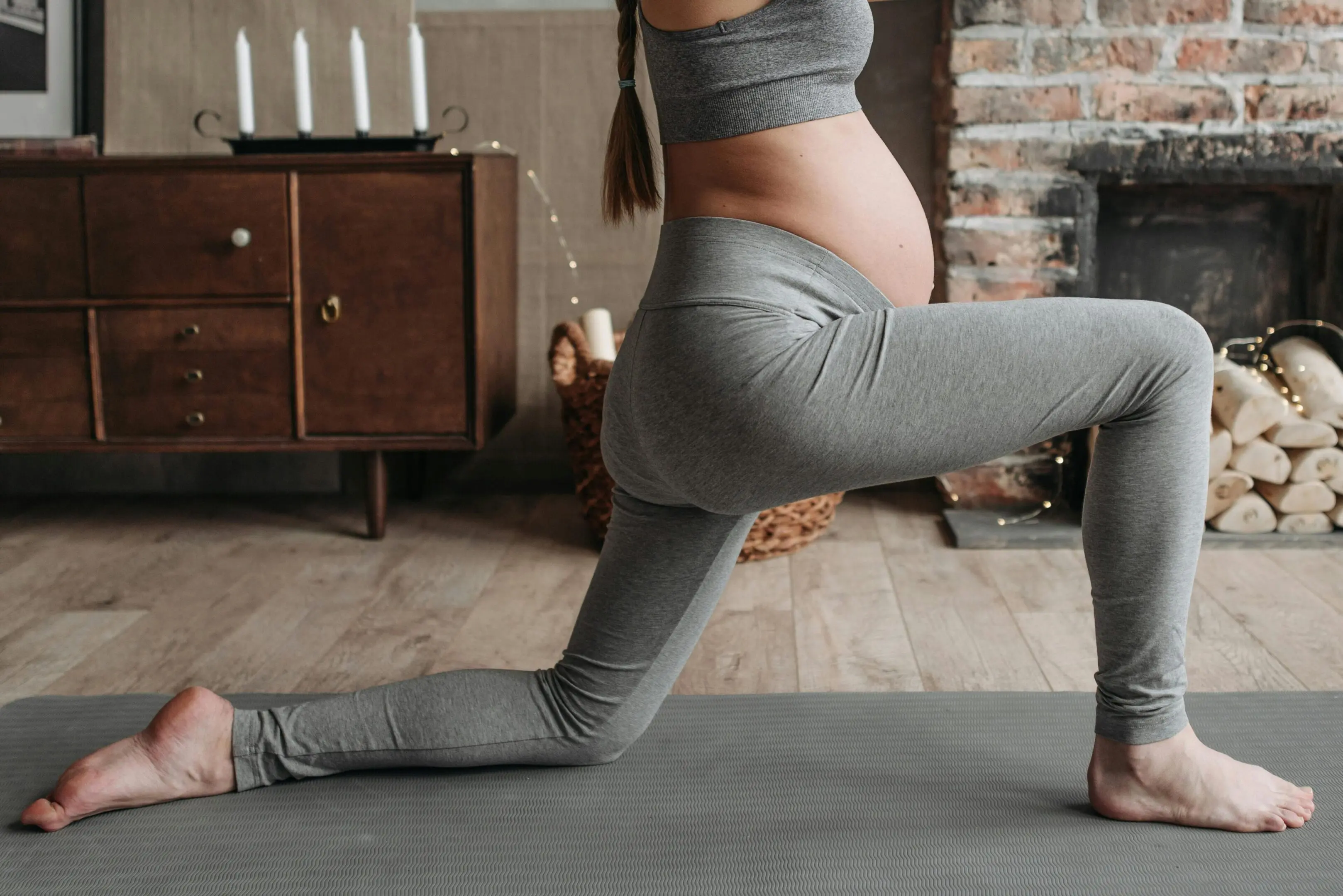
Pilates supports prenatal and postnatal wellness by improving posture, core stability, and joint health through controlled, low-impact movements. It alleviates back pain, strengthens the pelvic floor for labor and recovery, and promotes mindful breathing to reduce stress. These methods adapt to changing bodies, fostering mobility, functional strength, and safe recovery.
Pilates focuses on alignment and stabilizing the pelvis and lumbar spine, which helps prevent lower back pain and maintain stability against hormonal changes like relaxin that loosen joints. This improves posture as the body adapts to a growing belly and assists in holding a newborn postnatally.
Gentle, controlled movements build strength without straining joints, making it ideal for maintaining muscle tone without overloading the body during pregnancy. It helps manage ligamentous laxity by improving stability around joints. Pilates focuses on segmental mobility within the spine, preventing stiffness and relieving tension in the hips, shoulders, and back caused by pregnancy or postpartum demands.
By integrating breathing with deep core and pelvic floor activation, Pilates supports the abdominal wall, reducing diastasis recti and enhancing pelvic stability, facilitating labor preparation and faster postpartum recovery. The practice fosters mindfulness and mental calmness through breathwork, helping expectant and new mothers manage stress.
Menopause / Perimenopause
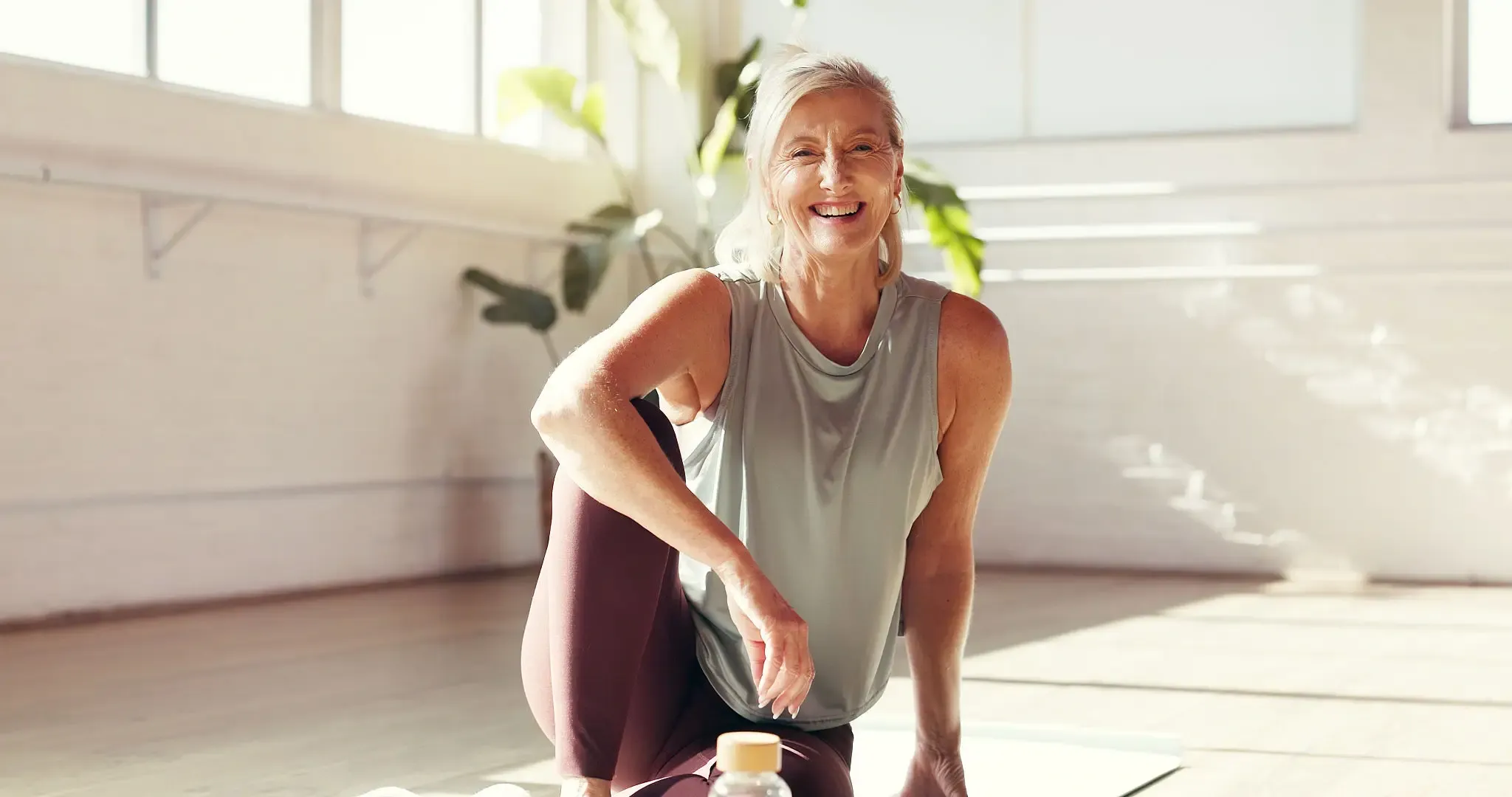
Pilates helps perimenopause and menopause by addressing hormonal impacts on the body through low-impact, controlled movements that increase muscle mass, improve bone density, ease joint pain, manage weight and regulate cortisol. The focus on alignment and movement integration stabilizes the pelvic floor, relieves back pain, and reduces stress to manage mood swings and weight changes.
Pilates strengthens the muscles between the ribs and hips, providing essential support for the spine as estrogen decreases, reducing joint pain and improving balance. This helps reverse postural changes like forward head posture.
As estrogen declines, cartilage health weakens, causing stiffness. Pilates uses controlled, fluid motions that move joints through their full range, promoting the creation of synovial fluid to naturally lubricate joints, reduce pain, and prevent deterioration.
By focusing on precision rather than quantity of repetitions, Pilates ensures muscles, rather than ligaments, support the joints. This prevents injury and builds strong, dense bones to mitigate osteoporosis risks that come with declining estrogen.
Pilates connects breath with movement, acting as movement meditation, which reduces anxiety and helps lower high cortisol levels linked to midlife abdominal weight gain. Pilates also supports weight management by building lean muscle and improving metabolism. It improves overall mobility and coordination to make daily tasks easier.
Adolescent Development
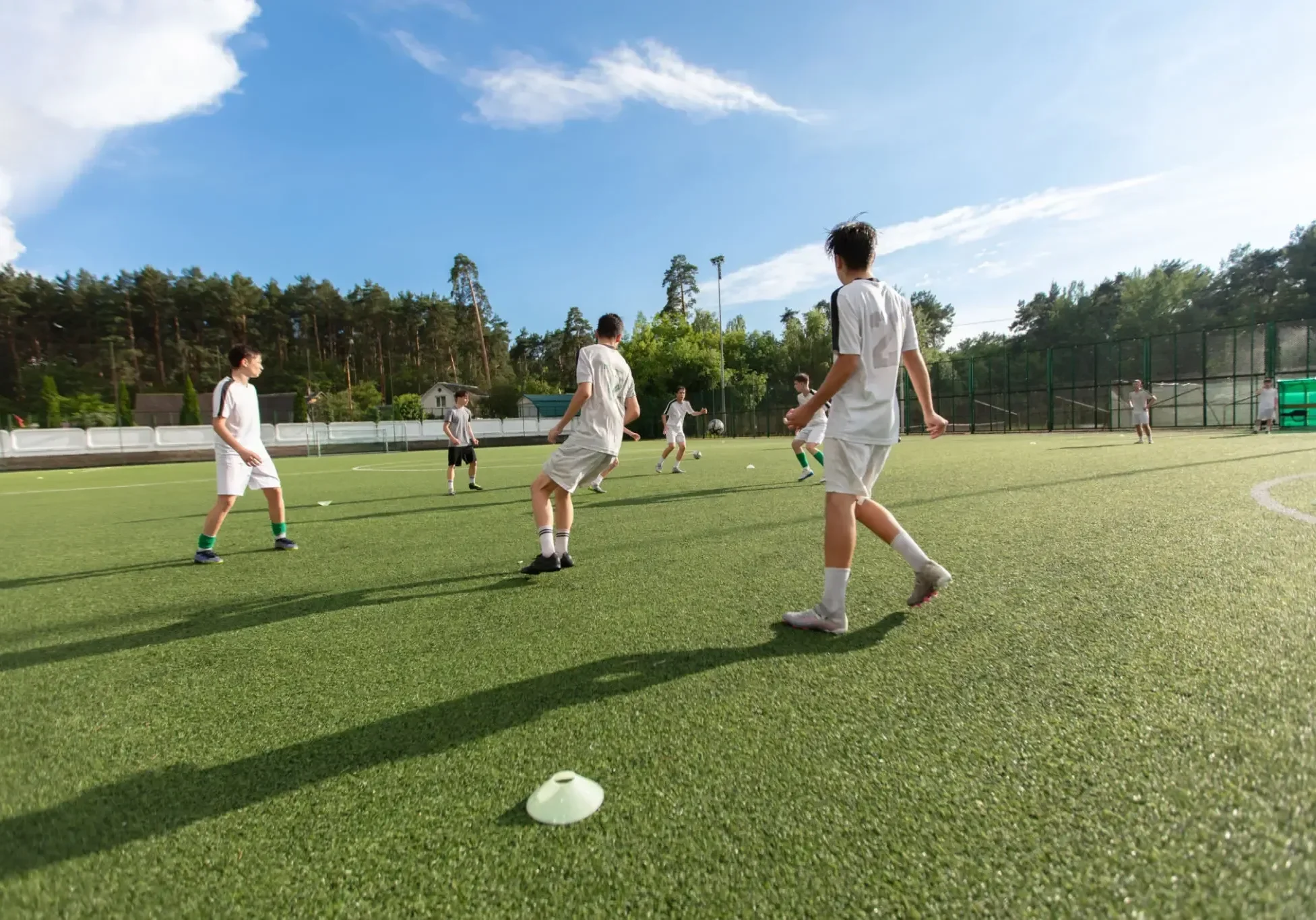
Pilates helps adolescents by correcting postural imbalances from sedentary habits, improving joint mobility and stability, and fostering mindfulness through controlled movements. By focusing on core strength, proper alignment, and integrated, full-body movements, adolescents build strength, improve flexibility, and reduce injury risks especially for active young people participating in organized sports and movement practices.
These benefits are achieved by engaging deep muscles, such as the transversus abdominis, through methodical exercise.
Active Aging
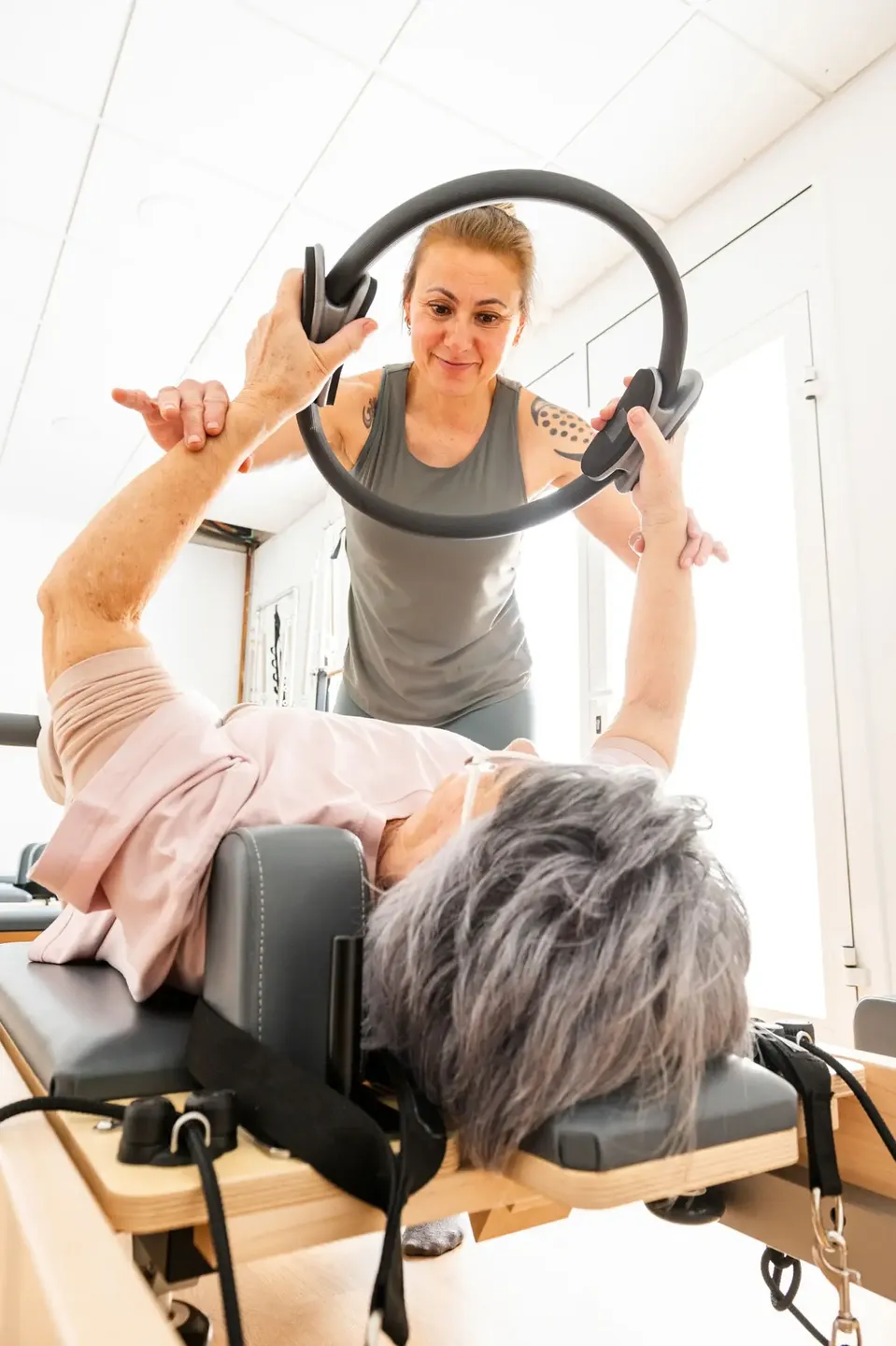
Pilates supports active aging by enhancing functional independence through core-focused alignment, joint-friendly mobility, and controlled, integrated movement. It improves posture, balances muscular strength, and reduces injury risk. The method restores flexibility and motor control, essential for safe, efficient movement in daily activities.
Pilates focuses on strengthening the deep abdominals and back muscles, which acts as a sturdy foundation to support the spine, improve posture, and alleviate chronic back pain. Proper alignment reduces strain on joints while improving mobility for bending, reaching, and everyday movement.
The method emphasizes mindful, precise movement rather than speed, promoting cognitive engagement along with physical strength. This coordination improves balance, reducing the risk of falls and helping older adults remain active and independent.
Andropause
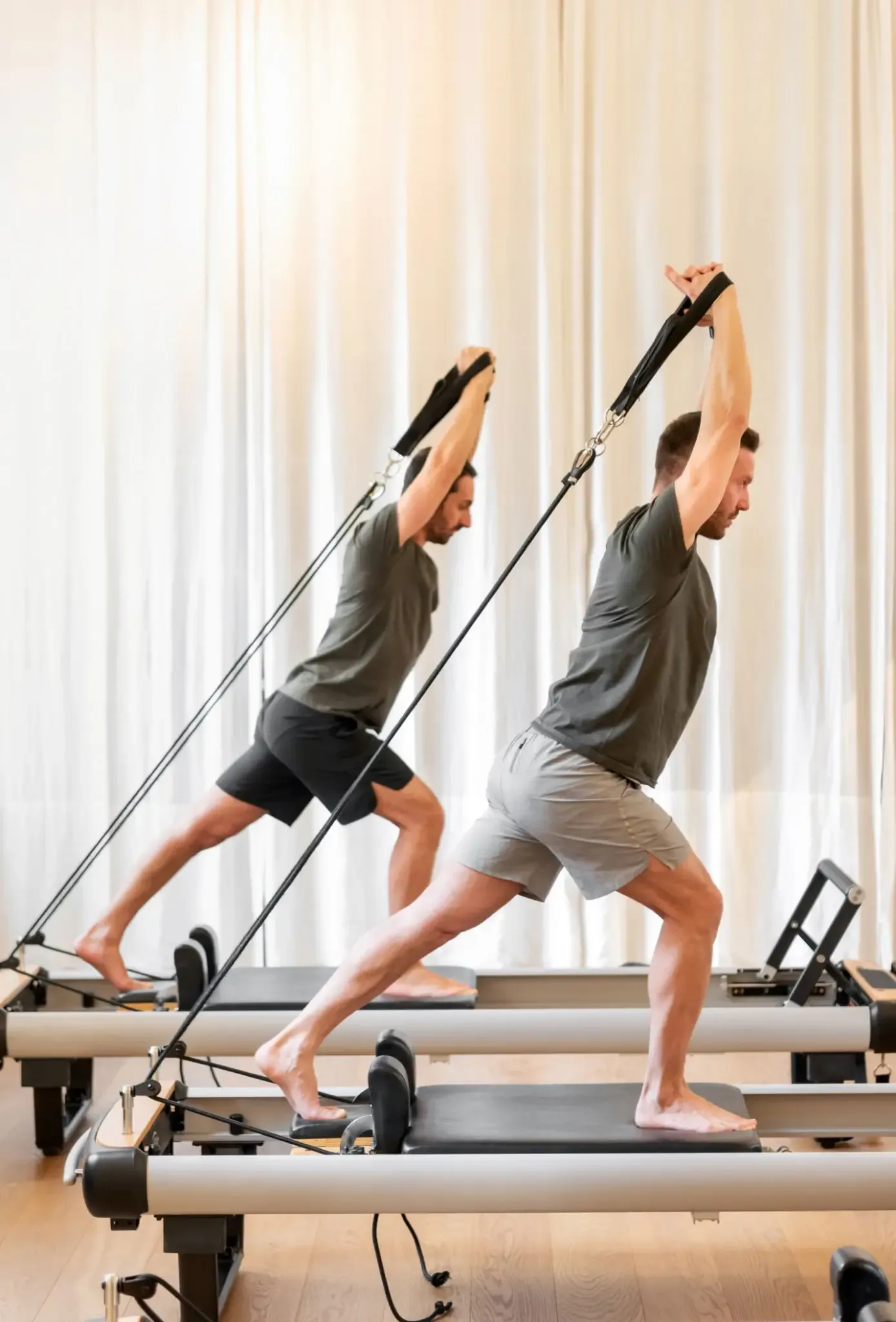
Pilates—with its emphasis on alignment, joint mobility, controlled movement, and integrated, full-body activation—is a powerful tool for managing the physical and psychological symptoms of andropause. It helps counteract the effects of declining testosterone, which often manifests as muscle loss, joint stiffness, reduced energy, weight gain, and lower sexual performance.
Pilates is an effective, low-impact, and customizable exercise that directly targets the physical degeneration and hormonal shifts of andropause, helping men maintain strength, mobility, and sexual health as they age.
The method improves posture, restores muscular balance, increases joint mobility, and strengthens the pelvic floor and deep core muscles. Controlled breathing and rhythmic movement also improve endurance, mental clarity, and stress reduction while supporting healthy metabolism.
GLP-1 Side Effects
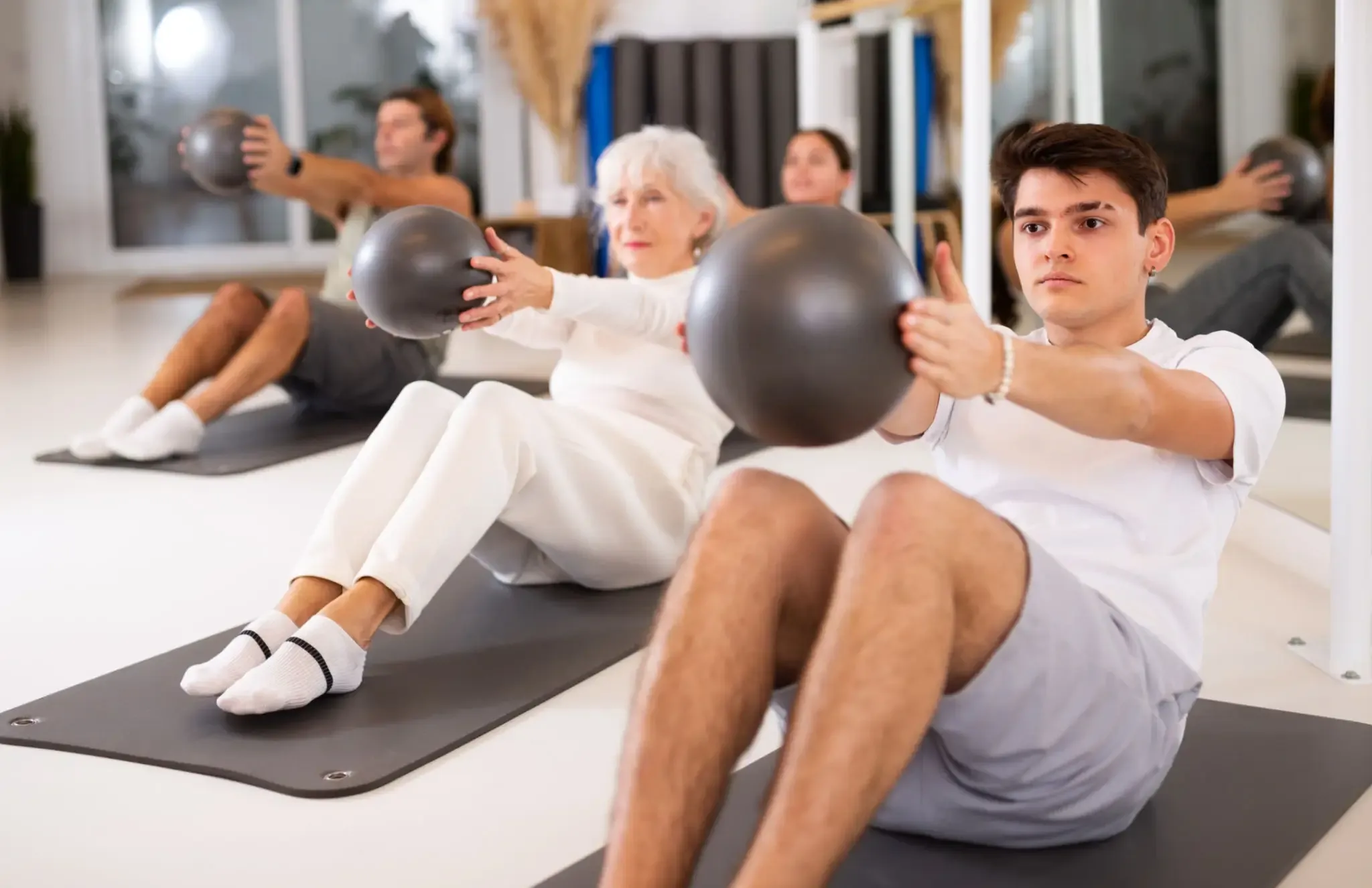
Pilates supports GLP-1 weight loss by mitigating muscle loss, improving joint stability, and correcting postural shifts. It rebuilds body awareness, counteracting dizziness or energy changes often reported during rapid weight loss. Its low-impact, controlled movement protects joints as metabolism and body composition change.
Pilates strengthens deep core stabilizers to maintain posture and prevent joint overloading. It enhances mobility by taking joints through their full range of motion, reducing stiffness that can accompany rapid weight changes.
By focusing on slow, purposeful movement, Pilates provides the strength training needed to support the body’s structural integrity during metabolic changes.
Management of Chronic Pain
Pilates emphasizes posture and alignment by maintaining a neutral spine and proper pelvic alignment. This corrects postural habits that cause chronic strain on the back and neck.
Gentle, controlled movements improve mobility and flexibility by increasing range of motion in stiff joints without overloading them, which is beneficial for arthritis and chronic stiffness. Pilates strengthens the stabilizing muscles around joints to reduce pain while movement becomes more efficient.
A central focus on the deep abdominals, pelvic floor, and back muscles provides essential stability for the spine, reducing the load on affected areas and decreasing pain during movement and at rest.
By coordinating breath with movement, Pilates improves neuromuscular control and promotes a stronger mind-body connection that helps change inefficient, painful movement patterns.